Is Bitcoin Real Money? Applying the 5,000-Year Test
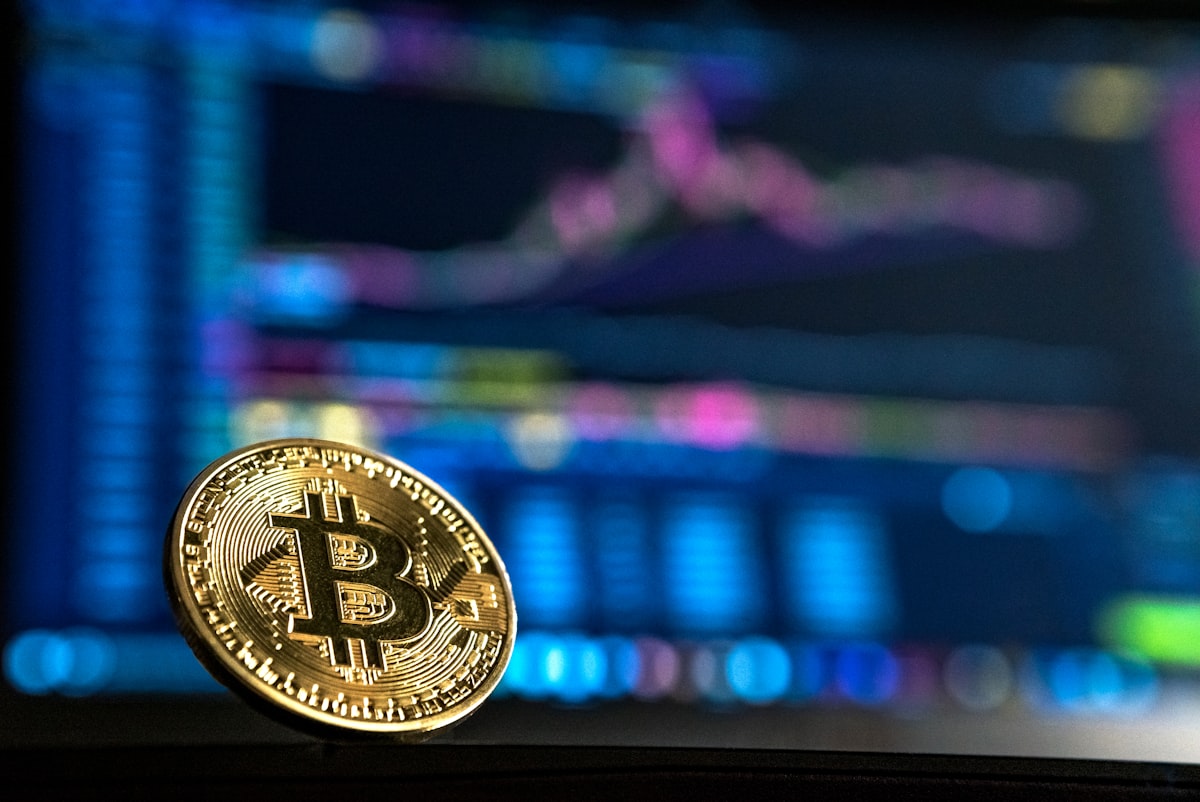
Bitcoin critics say it is not real money. But when you apply the same three tests economists have used for 5,000 years, the results might surprise you.
Education for good money — sound money principles, Austrian economics, and financial literacy for everyday people.
Bitcoin critics say it is not real money. But when you apply the same three tests economists have used for 5,000 years, the results might surprise you.
From ancient Rome to the Federal Reserve, governments have debased their currencies to fund spending. Here is why it keeps happening and what it means for your money.
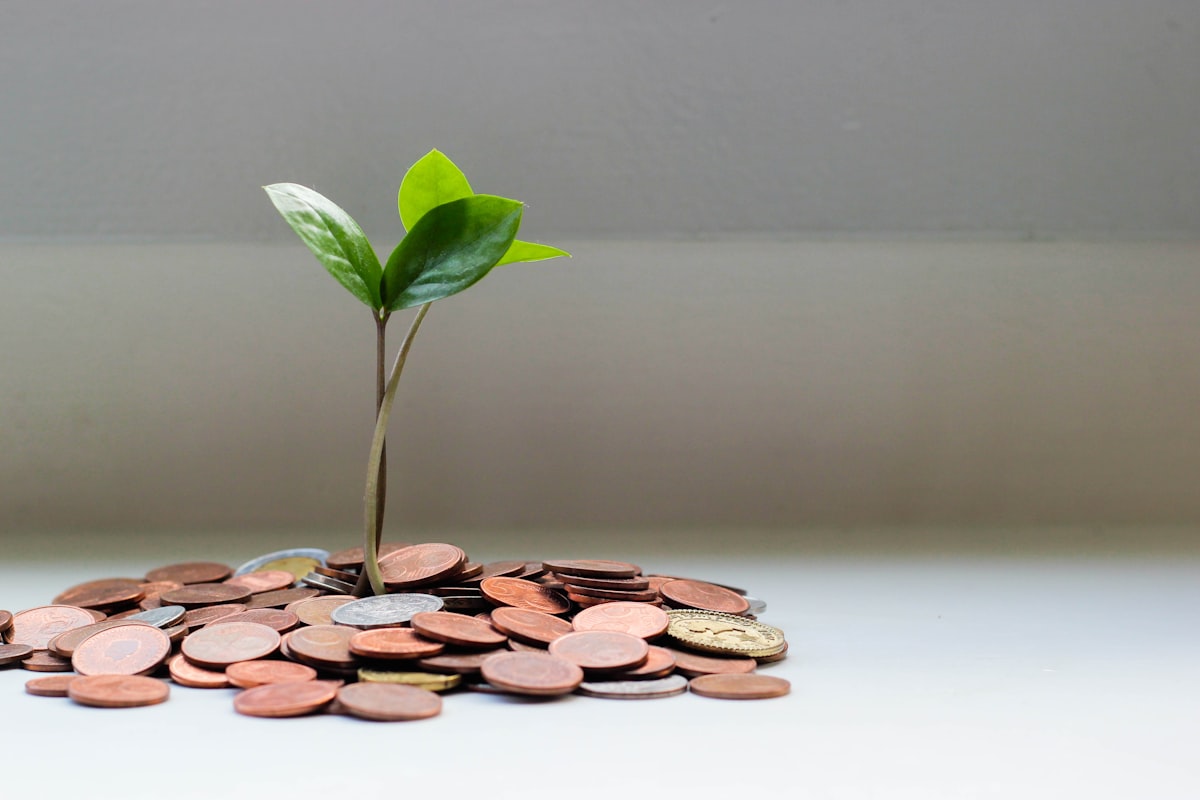
From Roman coin-shaving to Federal Reserve money printing, currency debasement has stolen purchasing power for centuries. Here is how it works and what you can do.
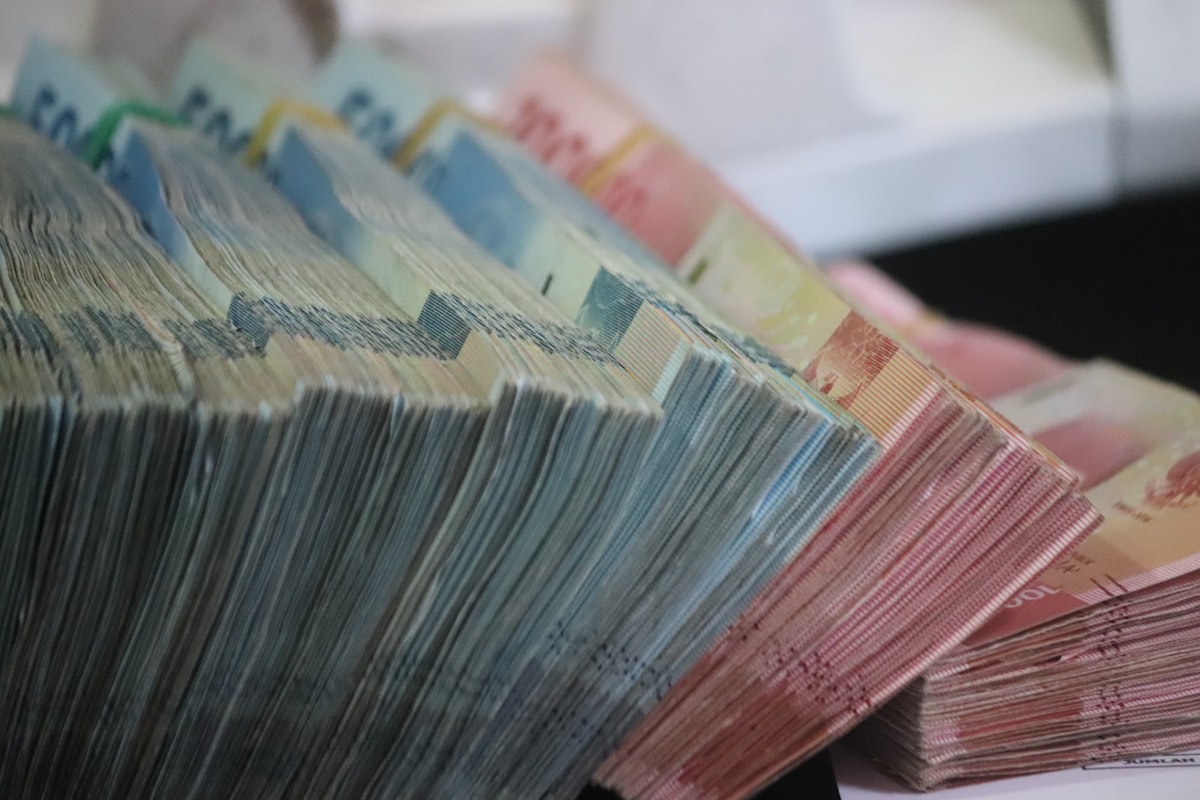
Inflation is not just rising prices — it is the expansion of the money supply that makes every dollar worth less. Learn how it works and who pays the price.
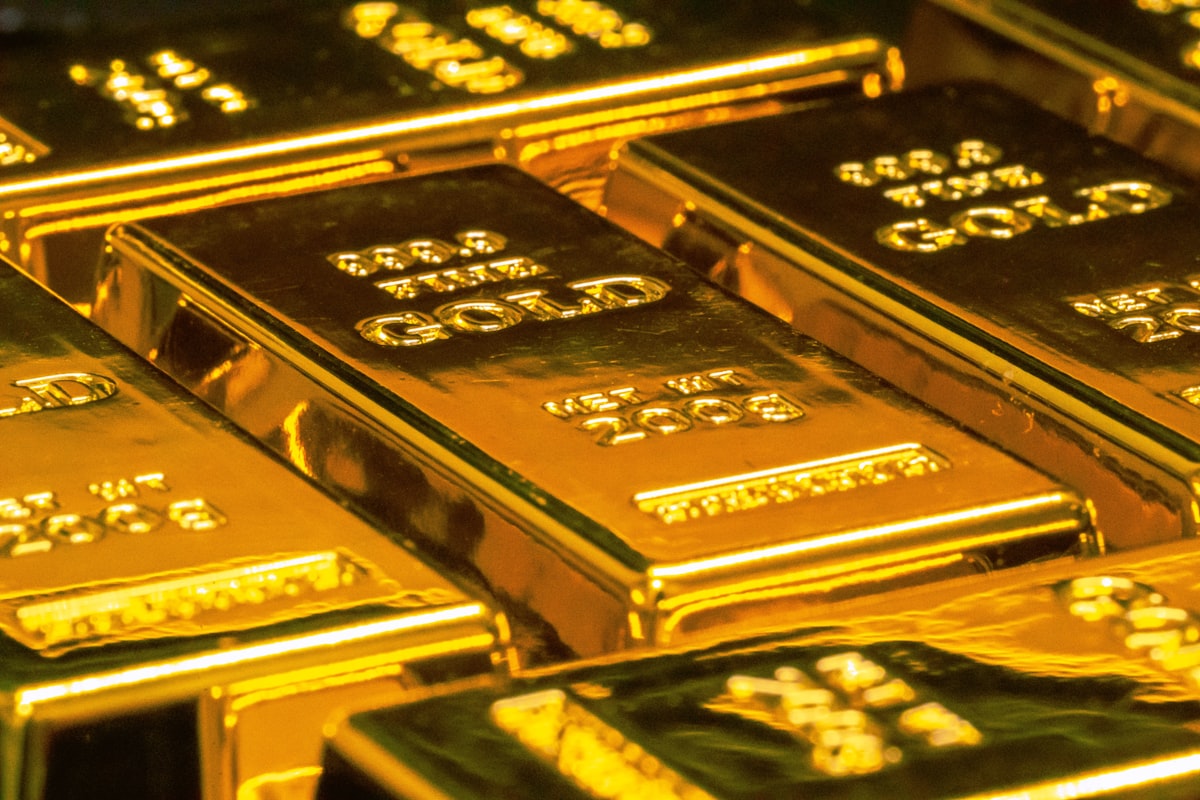
Money evolved from cattle and salt to gold coins to paper to pure fiat. Now Bitcoin offers a return to scarcity. Here is the full story of money.
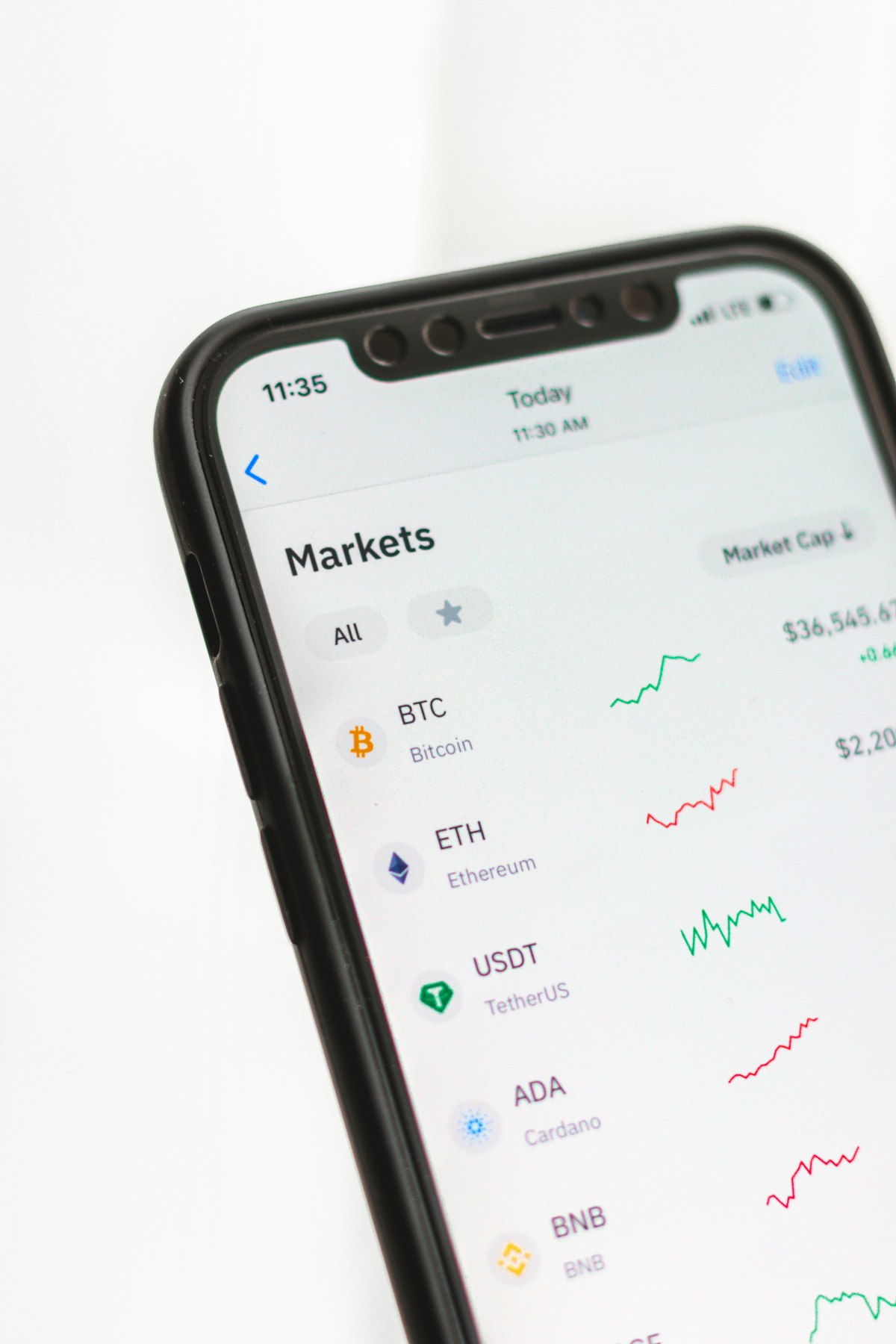
You use money every day but could you define it? Learn what money really is, how it changed in 1971, and why Bitcoin is changing the conversation again.
Since 1971, prices have outpaced wages by over 600 percentage points. Our infographic breaks down the decade-by-decade numbers and shows what your paycheck really buys today.
The Federal Reserve controls how much money exists. Here is a simple, visual explanation of how the system works and why your dollars keep losing value.
Since Nixon closed the gold window in 1971, the U.S. dollar has lost over 87% of its purchasing power. Our infographic breaks down exactly how it happened and what it means for your savings.